File 002 · The Studio · V1.0

Hello, I'm Muke.

I run Blinklabs, a one-person digital studio in Malta. Brand identity, custom websites, and bespoke software. No agency layers, no template tax, no middlemen. You talk to the person building the thing.

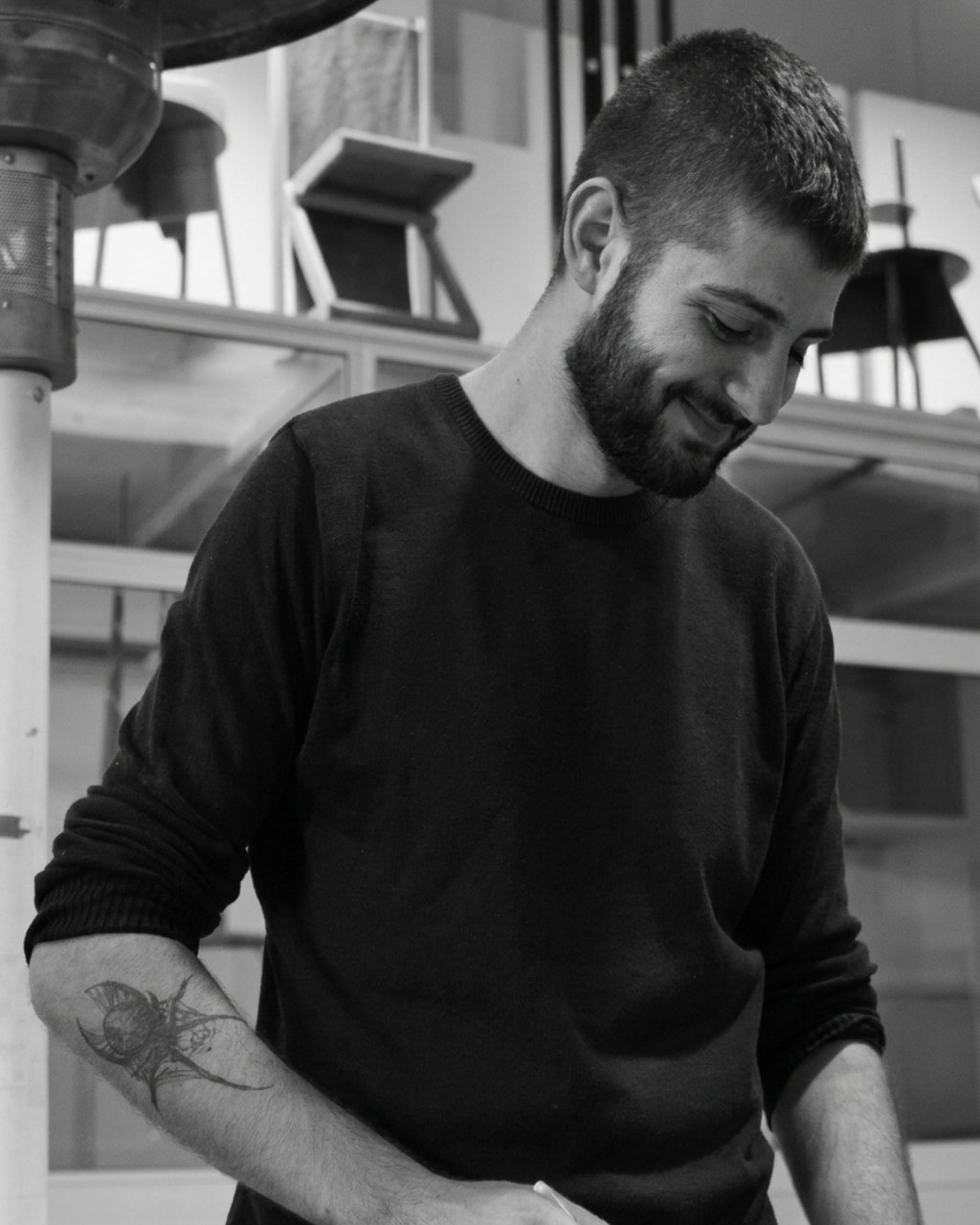
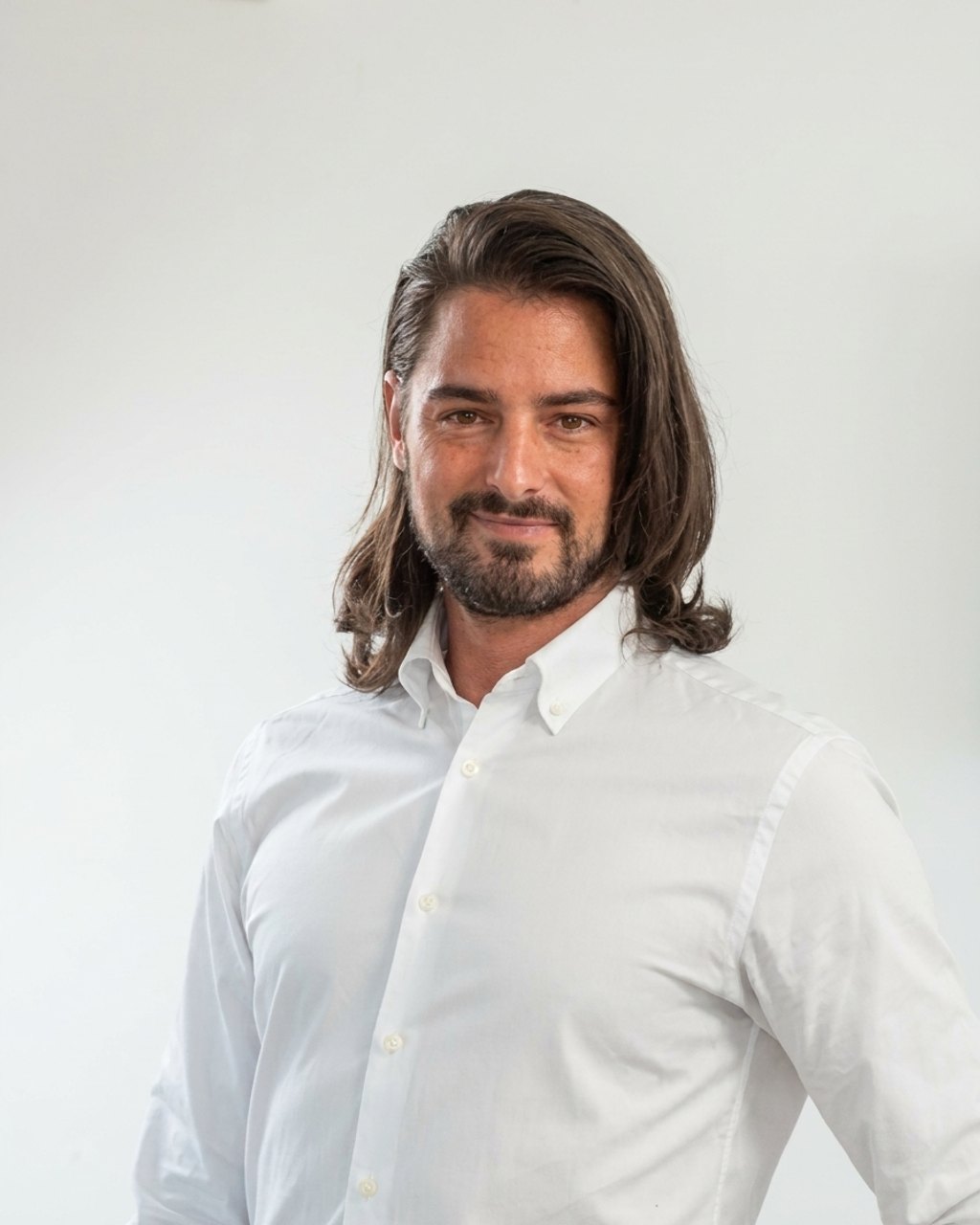
Muke Spiteri, founder of Blinklabs Malta

Why Blinklabs exists.

Most Maltese SMEs are pushed into one of two corners when they need a digital project. The cheap corner is a template builder, where the site costs nothing to start and a small fortune in subscriptions over four years, and where the rankings collapse the moment you change theme. The expensive corner is a Maltese agency where you pay for five layers of staff to deliver something a one-person studio could ship faster and better.

There is a quiet third option: a small, accountable studio that does the brand, the website, and the custom software end to end. That is what Blinklabs is. It exists because I kept watching small Maltese businesses spend money on the wrong half of the work, then come to me asking for the right half, by which time they had no budget left.

One person who answers their own phone and ships their own code will out-deliver a five-layer agency on any project under twelve weeks. I have done both, and there is no contest.

One person, three services.

The studio is genuinely one person. That is not a humble-brag, it is the operating model. Three services live under that roof: brand identity, website design and build, and custom software. Most projects need at least two of those three, and a few need all three at once.

The reason this works is integration. When the same person designs the brand, writes the copy, and codes the website, there is no handoff. The voice that comes out of the brand work goes straight into the headline that goes straight into the H1 tag that ranks in Google. The colour system the brand defines is the exact colour system the software uses on every screen. There is no "design vs build" friction because design and build are the same conversation.

Twelve weeks for an agency to ship is ninety days of meetings. Twelve weeks here is ninety days of work.

What I actually believe.

Six rules the studio runs on. They make some clients leave the first call. The clients who stay are the ones I do my best work for.

01

Clarity over jargon

If I cannot explain the work to your grandmother in one sentence, I have not finished thinking about it. No "synergy", no "leverage", no "ecosystem".

02

One accountable person

You message one number, you get one answer. I do not say "let me check with the team and circle back". There is no team.

03

Ownership transfers fully

The brand assets are yours. The code is yours. The database is yours. The domain stays in your name. No platform fees. No licence trap. You can fire me any Friday and walk out with everything.

04

Honest scope

If your problem is solved by a free tool, I will tell you that. If a project will go over budget, I will tell you before it does, not after. I have lost work for being honest about scope, and I will keep doing it.

05

Working software, week one

By the end of week one of any build, there is something real on a real URL. Ugly, partial, but doing the job. Feedback before opinion calcifies. No three-week wireframe deliverables.

06

Built for Malta

I live here. I work in this timezone. I understand that the phone call is still the contract, that a domain is judged by its dot-mt-ness, and that the difference between a Buġibba family business and a St Julian's startup is not subtle. Local context is in every line.

How I actually work.

The shape of every project is roughly the same. Discovery (an hour over coffee, in your office if it helps). A real working thing by the end of week one. Small, visible slices every two or three days. A planned cutover when we are ready. Then a follow-up review at the three-month mark to tune what is working and what is not.

I do not use Asana, I do not run sprints, I do not have a quarterly review process. I have a small CRM I built myself, a calendar I pay attention to, and a phone number you can call. That is the whole studio operations stack. There is an article in the journal about why I built the CRM, if you want the long version.

The work I am most proud of.

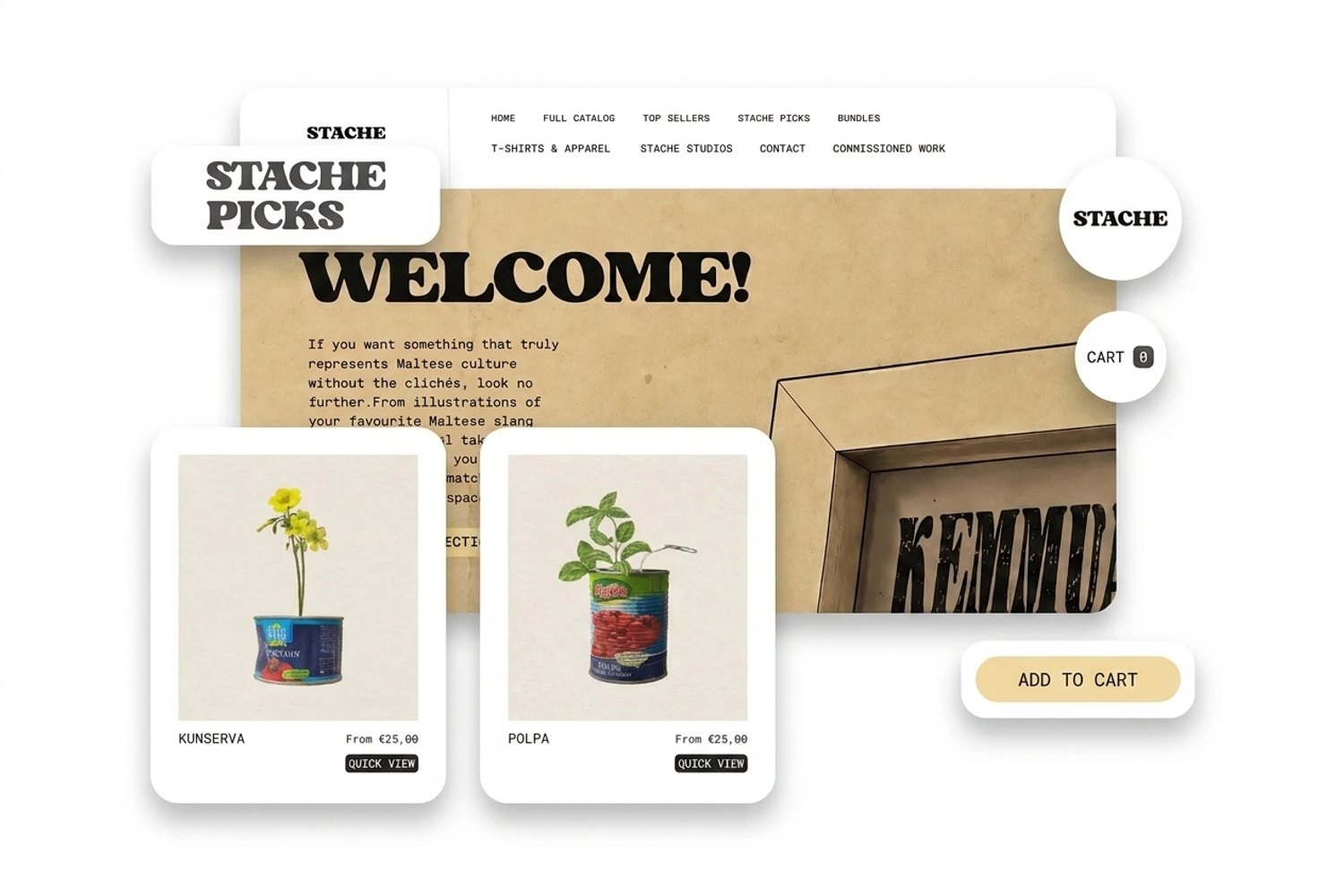
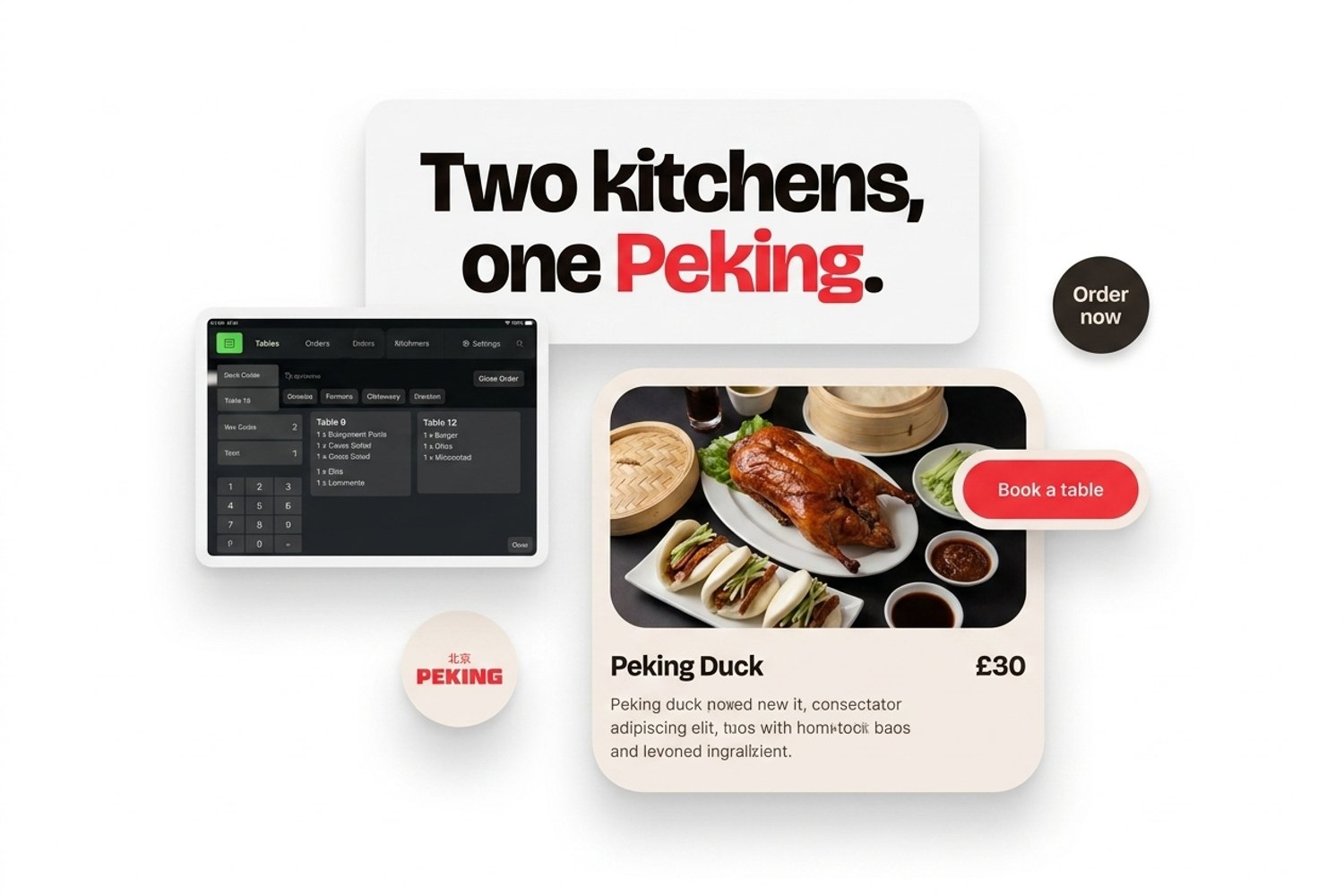
Three projects on different sides of the room. Each one taught me something the other two could not have.

Where I am.

Based in Malta. Most projects are for clients in Malta and Gozo, sometimes for EU clients further afield, occasionally for someone in the rest of the world if the fit is right. I take a small number of projects each quarter, deliberately. The studio is intentionally small. It will stay small. That is the whole point.

The fastest way to start a conversation is a message through the contact form or, if you want a faster reply, a WhatsApp. The slowest way is to schedule a calendar invite for two weeks out — I would rather start the work.

Outside the studio.

I drink an embarrassing amount of coffee. I read more than I should. I think the best discovery meetings happen with both feet in the actual kitchen of a restaurant or the actual back office of a small business, not in a co-working space pretending to take notes. If you are reading this and we have not met yet, the door is open. L-ewwel kafè fuqi.

Want to talk about a project?

An hour over coffee, an honest scope, a real number. If the maths does not work for you, that is fine to say.

© Blinklabs · Made in Malta